Why Ghost Kitchens Are Reshaping the Restaurant Industry
The restaurant world has changed forever. Customers are ordering more food through apps than ever before, and traditional dine-in restaurants are struggling with high rent, staffing challenges, and unpredictable foot traffic. In the middle of this shift, one model has quietly exploded in popularity: the ghost kitchen (also called a virtual kitchen, dark kitchen, or cloud kitchen).
A ghost kitchen is a delivery-focused restaurant with no dining room and minimal front-of-house staff. Instead of spending thousands on decor and seating, you invest in efficient kitchen operations, smart menus, and powerful delivery branding. That’s exactly where the opportunity lies for entrepreneurs, chefs, and investors — and what the Culinary Clouds course is built to help you capitalize on.
What Exactly Is a Ghost Kitchen?
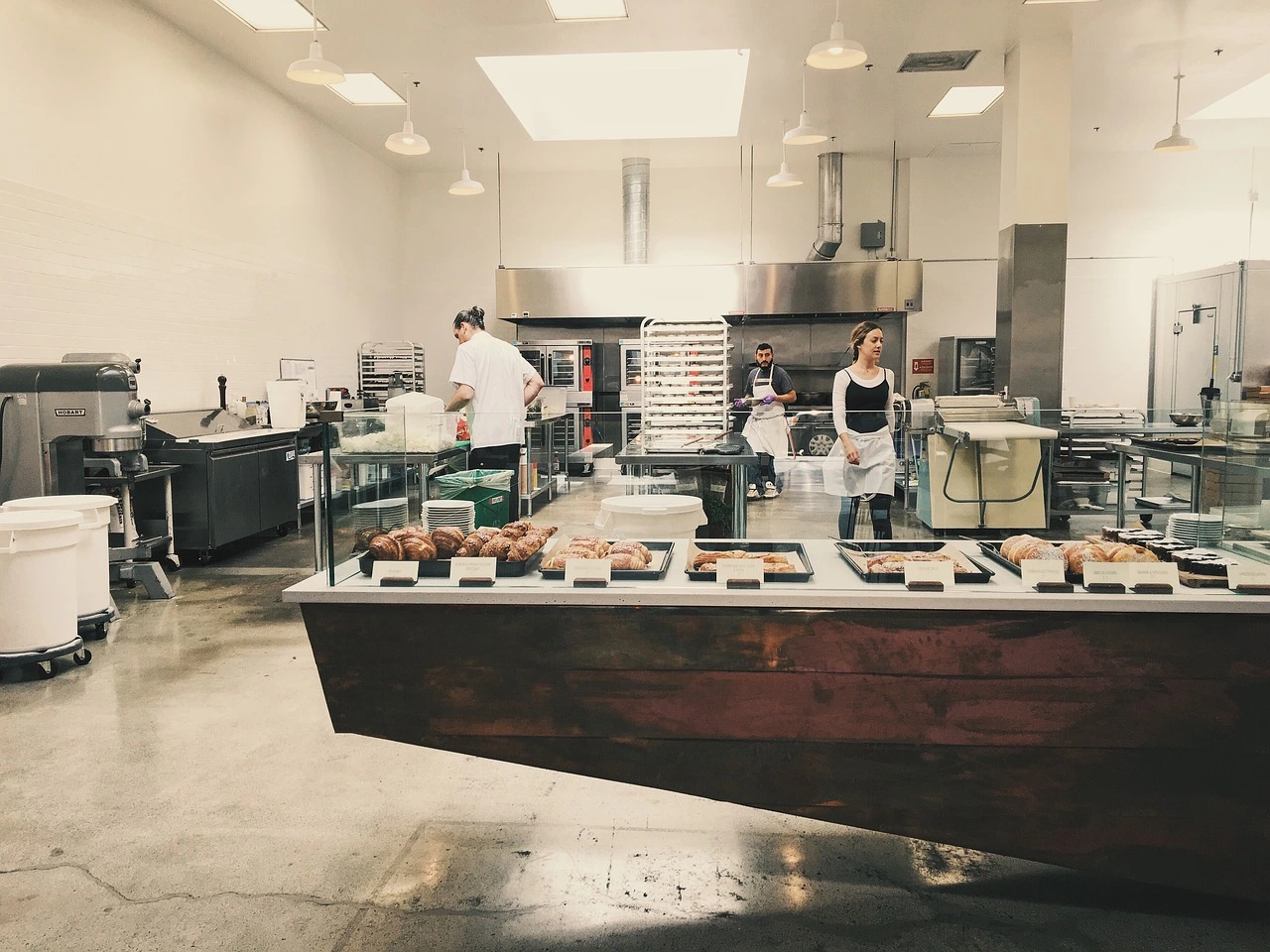
A ghost kitchen is a professionally equipped food production space built to serve delivery and takeaway orders only. Customers never step inside. Instead, they discover your brand on apps like Uber Eats, DoorDash, Just Eat, Deliveroo (depending on your country), or through your own direct ordering system.
In many cases, a single ghost kitchen can run multiple virtual brands at once — for example, a burger brand, a wings brand, and a vegan bowl concept — all produced from the same equipment, staff, and inventory.
Key Features of a Ghost Kitchen Model
- No dining room: You save on furniture, decoration, and front-of-house staff.
- Optimized for delivery: The layout is designed for fast prep, packing, and handoff to couriers.
- Brand flexibility: You can launch and test new brand concepts quickly.
- Lower overhead: Compared to full-scale restaurants, your monthly costs can be significantly lower.
- Location flexibility: You can operate in less expensive areas as long as delivery coverage is strong.

Why Ghost Kitchens Work So Well Right Now
Timing matters in every industry. Ghost kitchens are not just a trend; they’re the natural evolution of how people consume restaurant food in a digital world. Several forces make this the ideal moment to learn how to start one:
1. Surging Food Delivery Demand
Customers are more comfortable than ever ordering meals online. In many cities, delivery sales represent a huge portion of restaurant revenue — and that share keeps increasing each year.
2. High Restaurant Failure Rates
Traditional restaurants have high fixed costs and tight margins. Many fail not because the food is bad, but because rent, utilities, furniture, and staff expenses are too heavy. Ghost kitchens reduce those pain points.
3. Flexible, Data-Driven Menus
Using delivery app data, you can see what sells best in your area and adjust your menu quickly. Instead of guessing, you design offers that match real demand.
4. Scalable Brand Portfolios
A single ghost kitchen operator can potentially run multiple brands from one facility. That means multiple streams of revenue from the same space, staff, and equipment.
5. Lower Risk for New Concepts
Testing a new food concept via delivery is far cheaper than building a new restaurant from scratch. If something doesn’t work, you can pivot your branding and menu without breaking your lease.
6. Investor & Landlord Interest
As the model becomes more popular, investors and landlords are increasingly open to ghost kitchen tenants and partnerships, creating more opportunities for well-prepared entrepreneurs.
“Traditional restaurants are like big ships — slow to turn, expensive to move. Ghost kitchens are more like speedboats: lean, fast, and built to adapt.”

Who Is the Culinary Clouds Ghost Kitchen Course For?
The Culinary Clouds Startup Course is built for action-takers who want a structured way to enter the ghost kitchen space without wasting months on guesswork and expensive mistakes.
- Investors who want a stake in the booming food delivery and virtual restaurant market.
- Entrepreneurs who are new to food but strong in business, marketing, or operations.
- Chefs & restaurateurs who want to pivot from dine-in to delivery-focused models.
- Cloud brand creators who want to launch multiple niche concepts from one kitchen.
- Side hustlers considering a small-scale operation with the potential to grow.
“I launched my first delivery brand in 3 weeks with zero prior experience. This course saved me months of trial and error.” — James K., Course Student

Step-by-Step: How to Launch a Ghost Kitchen the Smart Way
Starting a ghost kitchen isn’t just about renting a kitchen and signing up for delivery apps. The difference between a profitable operation and a struggling one is the strategy you use before you launch. The Culinary Clouds course walks you through each stage in a practical order. Here’s a simplified overview:
1. Market & Concept Research
You begin by understanding your local market: which cuisines are saturated, where gaps exist, what price ranges perform well, and how customers tend to order in your area. This research helps you choose a concept that has real demand instead of relying on guesswork.
2. Define Your Brand & Menu Strategy
Your brand and menu are your front line. The course shows you how to craft:
- A clear brand identity (name, positioning, visual style).
- A menu that is delivery-optimized (travels well, fast to produce, profitable).
- Bundled offers and combos that boost average order value.
3. Kitchen Setup & Equipment Planning
Instead of overspending on unnecessary equipment, you’ll learn how to build a minimalist but efficient setup that supports your concept. This can include:
- Essential cooking equipment (ovens, fryers, grills, prep tables).
- Cold storage and dry storage planning.
- Packaging stations for smooth assembly and handoff.
4. Choosing the Right Location
Ghost kitchen success is not just about rent — it’s about delivery radius, traffic patterns, and proximity to your target neighborhoods. The course explains how to evaluate potential spaces for best coverage and profitability.
5. Setting Up Delivery Platforms
A big part of your visibility will come from apps. You’ll learn how to:
- List your brand on major delivery platforms in your region.
- Optimize photos, descriptions, and pricing.
- Use promotions and featured placements without destroying your margins.
6. Building Repeat Customers
Launching is only the beginning. The course covers how to encourage repeat orders, gather reviews, and build loyalty using packaging inserts, simple CRM tools, and consistent quality.
Costs, Margins, and Profit Potential
One of the biggest advantages of a ghost kitchen is the ability to control costs. While numbers vary by region, a typical ghost kitchen may be able to operate with significantly lower monthly overhead than a dine-in restaurant of similar output.
Common Startup Costs
- Kitchen lease or shared kitchen membership.
- Core equipment (new or used, depending on strategy).
- Smallwares, utensils, storage containers, and packaging.
- Licensing, permits, and insurance.
- Branding, menu design, and initial photography.
Key Ongoing Expenses
- Ingredients and packaging (cost of goods sold).
- Staff (chefs, prep staff, supervisors).
- Utilities and kitchen fees.
- Delivery platform commissions and marketing.
The Culinary Clouds course helps you model your numbers so you can anticipate your breakeven point, price your menu correctly, and avoid underestimating hidden costs.
Common Mistakes New Ghost Kitchen Owners Make
The ghost kitchen model is powerful — but like any business, it’s easy to make mistakes without guidance. Some of the most common pitfalls include:
- Launching without clear positioning: “Generic fast food” gets buried in delivery apps. You need a distinct angle.
- Overcomplicating the menu: Too many items slow down operations and increase waste.
- Ignoring food photos: On apps, photos sell. Low-quality images kill conversion rates.
- Underpricing: Failing to account for commissions, packaging, and promos lowers your margins.
- No review strategy: Social proof and ratings heavily influence new customers.
The Culinary Clouds course is designed specifically to help you avoid these traps by following a step-by-step plan refined from real-world experience.
Inside the Culinary Clouds Ghost Kitchen Startup Course
The course is structured to take you from idea to launch with practical lessons, templates, and frameworks you can reuse as you scale. While the exact curriculum may evolve over time, you can expect modules such as:
- Ghost Kitchen Fundamentals & Industry Overview
- Choosing Your Concept, Niche, and Menu Focus
- Branding, Naming, and Positioning for Delivery Apps
- Kitchen Layout, Equipment Checklists, and Setup Guides
- Pricing Models, Cost Control, and Profit Planning
- Delivery Platform Setup & Optimization Strategy
- Marketing, Reviews, and Customer Retention
- Scaling to Multiple Brands or Second Locations
The goal is simple: instead of spending months trying to piece together scattered advice, you follow a coherent roadmap that shortens your learning curve and reduces your risk.
Frequently Asked Questions
1. Do I need to be a chef to start a ghost kitchen?
Not necessarily. While culinary experience helps, many successful ghost kitchen owners focus on operations and hire or partner with cooking talent. The course helps you understand both sides so you can decide the best structure for you.
2. How long does it take to launch?
Timelines vary based on permits, location, and setup, but with a focused plan, many operators can move from concept to first orders in a matter of weeks rather than months. The course is designed to accelerate this process.
3. Can I run multiple brands from one ghost kitchen?
Yes, this is one of the advantages of the model. However, you need to design your menu and workflow carefully so your team isn’t overwhelmed. The course explains how to layer brands efficiently.
4. What if I’ve never run a business before?
The material is beginner-friendly and walks through fundamentals like cost calculation, pricing, branding, and basic marketing. That said, like any business, there is always risk — and effort is required to execute the plan.
5. Is this only for certain countries?
Ghost kitchens exist worldwide. While specific delivery apps and regulations differ from country to country, the core principles of menu design, branding, operations, and cost management apply broadly.
Start Your Ghost Kitchen Journey
The ghost kitchen model offers a rare combination of low overhead, high flexibility, and growing demand. With the right framework, you can move from idea to functioning delivery brand faster and with fewer expensive mistakes.
If you’re ready to take the next step and want a structured path instead of trial-and-error guesswork, the Culinary Clouds Ghost Kitchen Startup Course can be your launchpad into this new wave of food entrepreneurship.